Diesel diagnostics and no-starts
Fault scans, cranking tests, fuel and air checks. We chase derates and check-engine lights with a scanner and a meter, then tell you if the fix can happen where the truck sits.
A loaded truck that will not move is losing money every minute it sits. Mr. Atlanta RPM Mobile Truck Repair sends a technician to the truck, whether it is stuck on the I-285 shoulder, dead in a Conley yard, or waiting on a dock off Fulton Industrial. Diesel diagnostics, air and brake work, trailer faults, no-starts, and the fleet jobs that keep morning routes on time. One call, and someone who fixes trucks for a living picks up.
Most of our calls come from the freight side of the city. The cargo aprons and truck lots around Hartsfield-Jackson. The warehouse rows in Forest Park and Conley. Fulton Industrial Boulevard from one end to the other. And the shoulders of I-285, I-75, I-85, and I-20, where a breakdown is a safety problem before it is a mechanical one.
Location changes the job. On a shoulder we look at traffic exposure before anything else. In a gated yard we need the gate code and a dock number. At a customer warehouse we work around the appointment schedule so your trailer does not lose its door. Tell us where the truck sits and we plan around it.
You get asked a short list of questions. What is the truck doing or not doing. Where is it, nearest exit or cross street. Is it loaded. Can it move safely. Which lights are on the dash. That takes two minutes and it decides what parts and tools ride out to you.
Then you get a straight answer about whether this is a roadside fix. A dead battery, a blown air line, a trailer light circuit, a clogged fuel filter: usually yes. A cracked head or a transmission opening up: no, and we will say so before you spend money on a service call that should have been a tow. Drivers remember who told them the truth at 2 a.m.
Fault scans, cranking tests, fuel and air checks. We chase derates and check-engine lights with a scanner and a meter, then tell you if the fix can happen where the truck sits.
Leaking chambers, dragging shoes, slack adjusters out of range, ABS lamps that will not clear. Brake work is the call we treat most seriously. Nobody rolls until the system holds air and releases clean.
Lighting circuits, seven-way plugs, air lines, door hardware, landing gear. A trailer that cannot pass a gate check is stuck cargo, so we fix it at the dock and get the load moving.
Atlanta heat kills batteries in summer and marginal ones quit in January. We load-test before replacing, check the charging output after, and look for the corroded cable that caused the whole thing.
Filters, fluids, belts, hoses, greasing, and inspection items grouped so several units get handled in one visit. Cheaper than meeting us on a shoulder later.
Freight does not keep office hours and neither do breakdowns. Night dispatchers get the same triage and an honest arrival window, not a promise nobody can keep.
A fleet manager with forty units and an owner-operator with one truck need the same two things: a repair that holds and a clear answer about what happens next. Send the unit back out, hold it for parts, move it somewhere safer, or book a bay. We give you the information to make that call instead of making it for you.
For repeat fleet work around Conley, Forest Park, and the airport cargo lanes, we keep notes on what was checked and repaired per unit, so the third visit to the same yard starts smarter than the first. Repeated symptoms across trucks usually point at something worth fixing once, upstream.
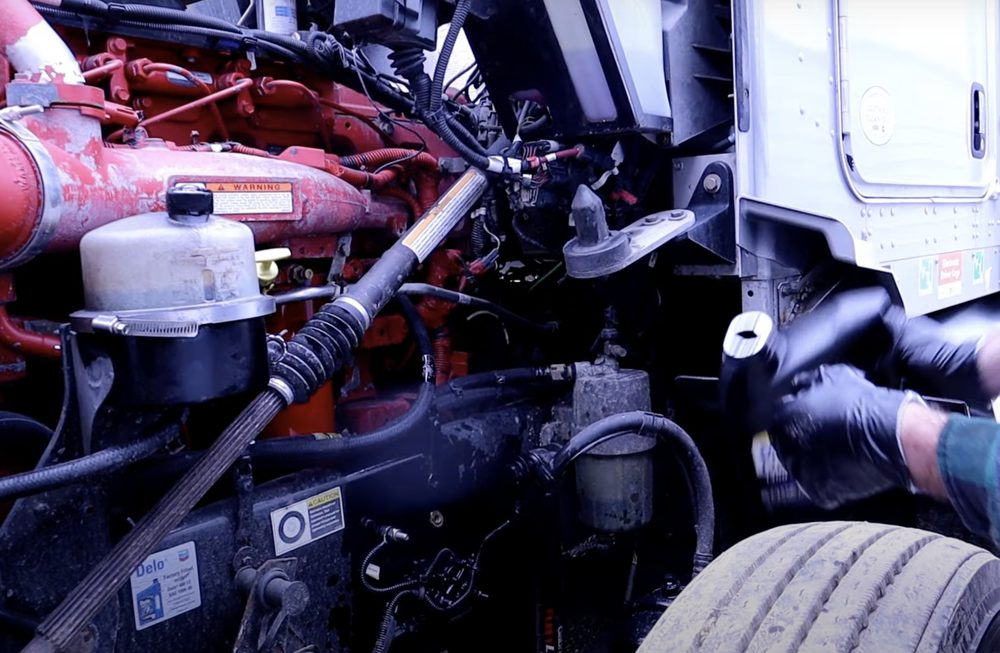
None of this is required, but every item on it shortens your downtime. Photos help more than descriptions: the dash message, the wheel end, the damaged hose, the trailer plug. A technician who has seen the fault code brings the right parts the first time.
Yes, that is most of our work. If the property lets a service truck through the gate, we can work there. Gated terminals around the airport usually just need a gate code or an escort arranged ahead.
Depends on the spot. A wide shoulder with room to stand safely, yes. A live lane on the I-285 perimeter at rush hour, no. If the location is unsafe we help you plan the short move or tow that makes the repair possible.
Those corridors are our home turf, so usually quickly. We give you an arrival window when you call, based on where the truck ahead of you is. If the window will not work for your load, we say so up front.
Sometimes. We scan the code first. Some derates clear with a real repair on the spot, like a sensor or a filter. Others are emissions locks that need a shop. You get the honest answer after the scan, not before.
You will know within the first half hour, not after four. We help you decide the next step: short move, tow, parts run, or shop appointment, and you keep the diagnostic information either way.
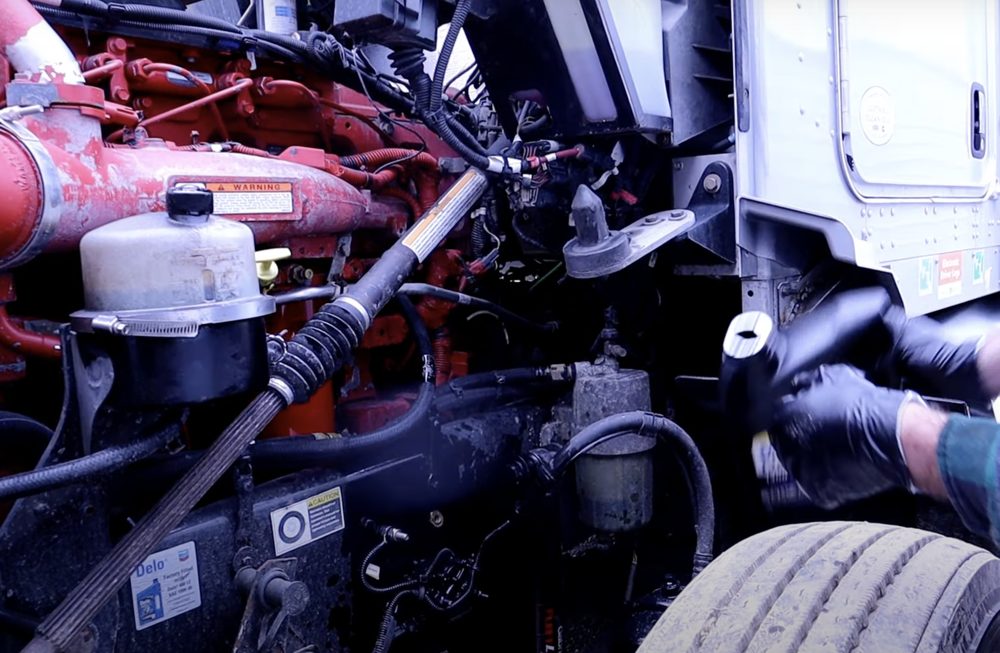
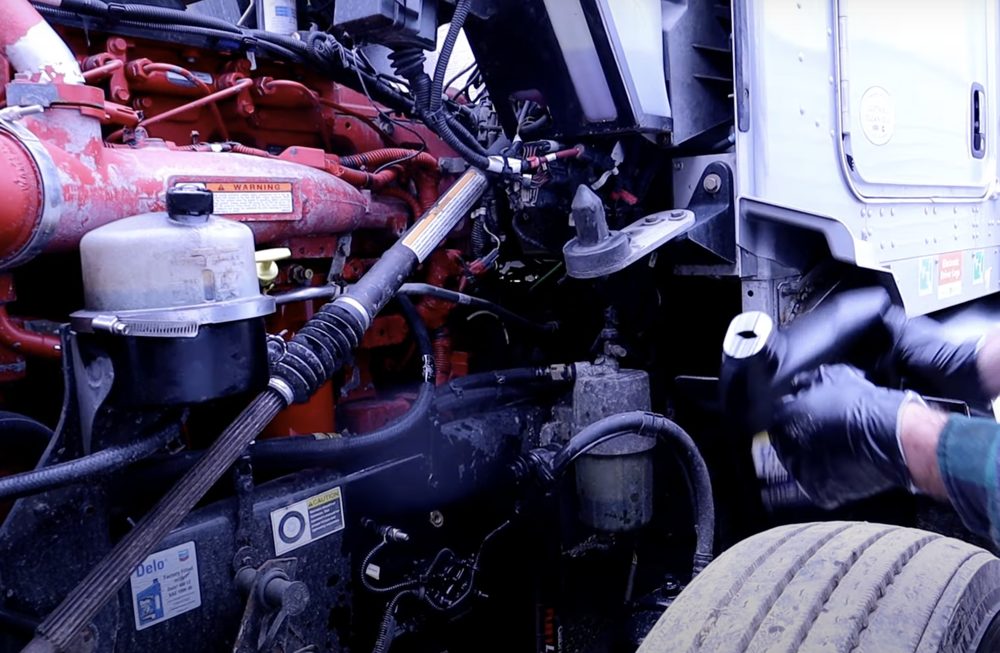
Atlanta truck calls often depend on where the unit is sitting. A roadside shoulder on I-285 needs a safety-first plan. A box truck behind a store may need liftgate, electrical, or brake troubleshooting without blocking deliveries. A tractor at an airport cargo lot or Conley yard may need diesel diagnostics, air-system checks, trailer lighting repair, or a decision about whether the truck can safely move.
When you call, give the nearest exit or gate, the unit number, trailer status, active warning lights, how the air pressure is behaving, and the loaded status. Clear details help the mechanic prepare for the actual job instead of treating every Atlanta breakdown the same way.
Mobile service is useful when the truck is disabled, parked in a fleet yard, waiting at a warehouse, or too risky to move without a first look. Common Atlanta calls include weak batteries after a hot delivery route, low-air warnings before a trailer leaves a dock, marker-light failures before a night run, coolant leaks near a distribution stop, and derate warnings that need diagnostic direction before dispatch loses the rest of the shift.
For fleets around Forest Park, Conley, Fulton Industrial, and the Hartsfield-Jackson cargo lanes, the practical goal is uptime. A mobile repair visit can help sort out whether the unit needs a roadside fix, a part run, a controlled move, or a shop appointment. That decision matters when a driver is loaded, a dock door is waiting, or a trailer cannot leave with brake, ABS, lighting, or air-system concerns.
Owner-operators also need clear answers. If the truck can be checked where it sits, the driver can avoid guessing, avoid unsafe movement, and avoid paying for a tow before the problem is understood. We focus on the systems that stop working trucks in real Atlanta traffic: starting and charging, diesel fault codes, brake air leaks, trailer electrical faults, overheating, belts, hoses, lights, and preventive repairs that can be handled outside a bay.
Moving a disabled commercial truck too soon can turn a repairable problem into a bigger loss. Low air pressure, brake drag, overheating, electrical faults, and active derate warnings can damage equipment or put the driver in a worse location. A mobile inspection gives dispatch a practical next step: repair on-site, move the unit a short distance, send for parts, or plan a shop repair with better information.
That matters across Atlanta because traffic, gated lots, airport cargo schedules, and warehouse appointment windows all change the repair decision. A tractor near I-85 may need fast electrical testing before the next pickup. A trailer in Forest Park may need lights or an air leak handled before it can leave. A fleet yard near Fulton Industrial may need several small repairs documented before trucks roll for the morning route.
These details also help avoid repeat calls by documenting what was checked, what was repaired, and what still needs shop attention.
Summer here cooks equipment. Batteries that tested fine in April die in a hot July staging lane, AC compressors quit on drivers sleeping in the cab, and tires pick up heat damage on the perimeter. We stock for it, and summer calls lean heavily toward charging systems and cooling.
Winter is shorter but meaner. The two cold snaps every January bring gelled fuel, air dryers freezing up, and marginal starters that finally give out at 5 a.m. If your fleet runs through the winter without a pre-season check on batteries, dryers, and coolant, you are betting the season on luck.
And year round there is traffic. A repair window that works at a Conley yard at noon does not exist on the downtown connector at rush hour. We schedule around Atlanta reality, not around an idealized service call.
Shoulder, dock, yard, fuel island, or the back row of a customer lot: tell us where the truck is and what it is doing. We will tell you whether a mobile repair makes sense and when a technician can be there. That is the whole process. No forms, no callbacks, no waiting on hold.